
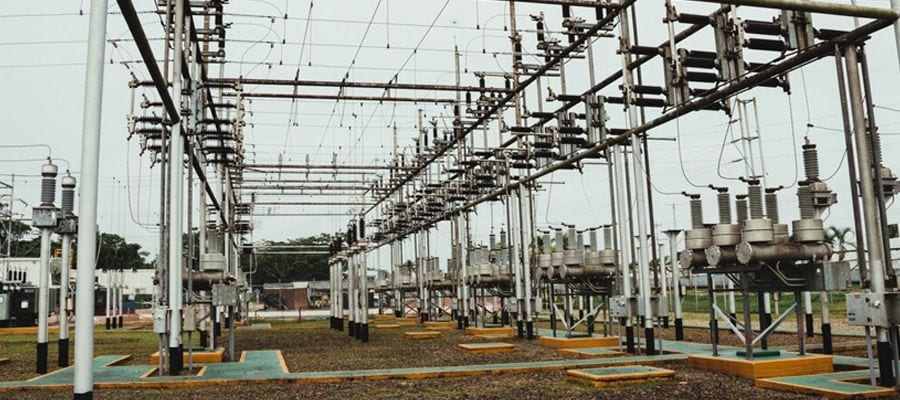
When it comes to modern development—whether it’s a hospital campus, a data center, or a multi-family community—utility planning is no longer just about running pipes and wires. Today’s most efficient projects are built around a Central Utility Hub — a smarter, more integrated approach to powering, heating, cooling, and managing essential services. But what exactly is a Central Utility Hub, and why is it a game-changer for developers, engineers, and owners alike?
Defining the Central Utility Hub (CUH)
A Central Utility Hub (CUH) is a purpose-built facility that houses all the critical infrastructure systems needed to support a building or an entire campus. Instead of scattering mechanical, electrical, and utility components throughout the property, a CUH consolidates them into a single, centralized location. This integrated approach enhances coordination, simplifies maintenance, and improves operational performance across the board.
A well-designed CUH typically includes:
- Power distribution systems
- Chilled and hot water generation
- Steam production
- Emergency power through generators
- Advanced controls, automation, and SCADA systems
By centralizing these services, developers and facility managers gain greater efficiency, scalability, and real-time control, allowing for smarter resource management and easier future expansion. It’s a modern solution built for the demands of today’s high-performance facilities.
Why the Old Way Doesn’t Work Anymore
Traditional utility system design often takes a fragmented approach—different contractors handling mechanical, electrical, and control systems on separate schedules, with little coordination. While this may have worked in the past, today’s infrastructure demands more efficiency and integration than ever before.
Disjointed system planning can lead to:
- Conflicting schedules and trade overlaps that delay construction and drive up costs
- Overbuilt or redundant systems that waste space, energy, and budget
- Poor scalability, making it difficult or expensive to expand as needs grow
- Limited system integration, which reduces visibility and hampers operational performance
In short, the old model slows projects down, creates unnecessary complexity, and makes it harder to meet modern efficiency and sustainability goals. That’s where the Central Utility Hub approach comes in.
The Modern Advantage: Centralized, Scalable, Smart
A Central Utility Hub isn’t just a cleaner layout—it’s a smarter way to design and operate infrastructure. By consolidating mechanical, electrical, and control systems into one integrated powerhouse, facility owners gain real, measurable advantages.
Key benefits include:
- Smaller footprint – Reduce the number of mechanical rooms and free up valuable space
- Improved energy efficiency – Shared systems operate with fewer losses and greater optimization
- Simplified maintenance – Central access to equipment makes servicing faster and less disruptive
- Future-ready scalability – Add capacity, sensors, or controls without starting from scratch
- Centralized control – Unified SCADA and automation systems provide real-time insight and remote control
This approach isn’t just about convenience—it’s about making your building or campus more resilient, cost-effective, and responsive to evolving demands.
Who Should Consider a Central Utility Hub?
Central Utility Hubs aren’t just for massive industrial campuses—they’re a smart solution for any facility that needs reliable, scalable infrastructure. If your property demands high-performance utilities, tight coordination between systems, or long-term efficiency, a CUH could be the right fit.
Ideal candidates include:
- Hospitals and healthcare campuses where uptime and backup systems are critical
- Universities and research facilities that require flexibility for future expansion
- Municipal and government buildings aiming to modernize aging infrastructure
- Data centers and IT operations needing stable, high-capacity power and cooling
- Mixed-use or multi-family developments looking to streamline operations and lower costs
- Smart cities and sustainable projects with an emphasis on automation and analytics
If you’re planning a new development—or struggling with outdated utility systems—exploring a Central Utility Hub can open the door to better performance and long-term savings.
The Long-Term Benefits of CUH Integration
A Central Utility Hub isn’t just about consolidating infrastructure—it’s about building smarter, more resilient systems that pay off over time. When designed and implemented correctly, a CUH delivers long-term advantages that traditional setups simply can’t match.
Key benefits include:
- Operational Efficiency: Centralizing utility systems reduces energy waste, simplifies maintenance, and lowers operating costs.
- Improved Reliability: Integrated systems with built-in redundancies minimize downtime and ensure critical operations continue during outages.
- Future Scalability: CUHs are designed with growth in mind, making it easier to expand or upgrade systems as demand increases.
- Enhanced Control & Monitoring: With automation and SCADA integration, facility managers gain real-time insight and control over every aspect of their infrastructure.
- Smaller Footprint: Combining multiple systems into one hub frees up valuable space across your property.
In short, a CUH isn’t just an upgrade—it’s a foundation for long-term success, built to adapt alongside your facility’s evolving needs.
Is a Central Utility Hub Right for Your Project?.
If your facility demands high performance, reliability, and long-term cost savings, a Central Utility Hub could be the smartest investment you make.
CUHs are especially well-suited for:
- Hospitals and healthcare campuses that require uninterrupted power, heating, and cooling
- University or research facilities with high energy loads and future growth plans
- Municipal and government buildings seeking more efficient infrastructure spending
- Industrial parks and manufacturing sites that need robust, scalable utilities
- Data centers and IT facilities where uptime and environmental control are mission-critical
- Mixed-use or multi-family developments aiming for modern, consolidated systems
- Smart city projects prioritizing sustainability and real-time infrastructure control
Whether you’re planning a new development or considering a retrofit, CUHs provide the flexibility, efficiency, and control needed to meet today’s demands and tomorrow’s challenges.
AOTCS: Your Partner for Smarter Utility Infrastructure
If a Central Utility Hub sounds like the right fit for your next development, AOTCS is the team to make it happen. We handle every phase of the project—from infrastructure planning and mechanical installation to control integration and long-term maintenance—ensuring your utility systems are efficient, scalable, and built to last.
Ready to modernize your infrastructure? Let’s talk about what a smarter, centralized approach could do for your facility.
Whether you’re in early planning or ready to break ground, we’re here to help you build smarter.