
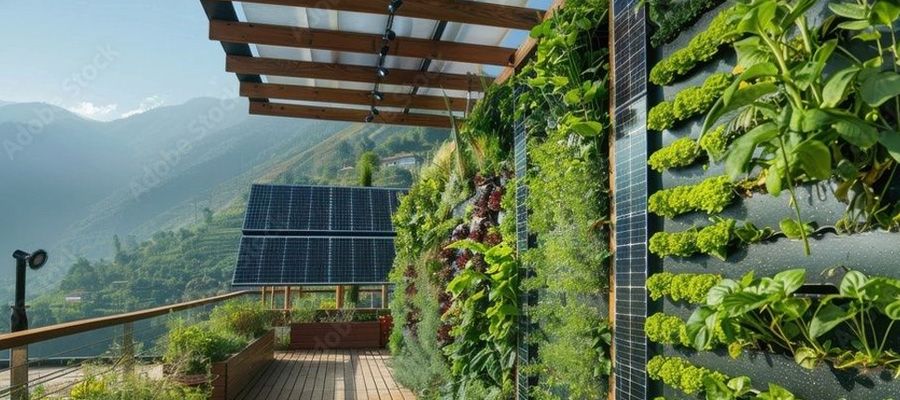
When people talk about green building design, the focus usually starts at the top: solar panels, reflective roofing, energy-efficient lighting. But the real sustainability wins often begin far below the surface — with smarter, more efficient utility infrastructure.
At AOTCS, we believe sustainability starts underground. That means rethinking the way we design, install, and integrate power, water, HVAC, and controls. Done right, underground utility systems can reduce emissions, lower energy usage, and lay the foundation for long-term environmental performance — all before the first tenant ever moves in.
Let’s take a look at why utility infrastructure should be part of your sustainability conversation — and how a centralized, future-ready approach can help your development hit its energy goals.
A Hidden Opportunity for Efficiency
Traditional utility systems are often out of sight and out of mind — until they start causing problems. But beneath every successful facility is a complex network of pipes, conduits, duct banks, and systems working around the clock. And if those systems are built with outdated thinking, they can quietly drain energy and resources for decades.
Here’s where the opportunity lies: The design of your utility backbone has a direct impact on long-term sustainability.
- Overbuilt or poorly insulated systems lose energy through heat transfer and inefficiency.
- Decentralized equipment often results in redundant or underused systems.
- Disorganized layouts can lead to longer pipe runs, pressure drops, and pumping inefficiencies.
- Lack of control integration limits your ability to monitor, optimize, or automate energy use.
On the other hand, a well-designed Central Utility Hub (CUH) solves many of these problems before they start — while opening the door to greener, smarter operations from day one.
How Central Utility Hubs Boost Sustainability
A Central Utility Hub (CUH) consolidates your infrastructure systems into one streamlined, high-performance facility. It’s not just about efficiency or convenience — it’s about creating a backbone that supports sustainable performance for the life of the building or campus.
Here’s how:
1. Shared Systems = Lower Energy Use
Instead of duplicating mechanical rooms or utilities in every building, a CUH allows for shared heating, cooling, and power infrastructure. This reduces redundancy and enables right-sized equipment selection — improving part-load performance and reducing total energy consumption.
2. Shorter Runs, Smarter Routing
By centralizing utility distribution, pipe and conduit runs are typically shorter, straighter, and better insulated. That means less energy lost in transmission and more responsive system performance. It also reduces material waste and trenching needs during construction.
3. Integrated Controls and Automation
CUHs often include SCADA, building automation, and remote monitoring capabilities — allowing for real-time data tracking, automated load balancing, and proactive maintenance. This helps optimize energy usage in response to building demand and utility pricing.
4. Flexible for Renewables and Future Tech
With a centralized layout and accessible routing, it’s easier to integrate solar, battery storage, geothermal systems, or future energy innovations without a full rework. A CUH creates an infrastructure “nerve center” that evolves with your sustainability goals.
5. Fewer Emissions, Better Compliance
Efficient utility design doesn’t just reduce energy usage — it helps projects meet evolving carbon reduction mandates, green building certifications (like LEED or WELL), and ESG reporting requirements.
Going Underground: Why Subsurface Infrastructure Matters
When we say “sustainability starts underground,” we’re also talking about the physical execution of your utility infrastructure. Trench planning, duct bank design, and pipe routing aren’t just mechanical details — they influence everything from energy loss to long-term system durability.
Well-executed underground planning ensures:
- Insulated chilled/hot water lines maintain temperature longer
- Efficient routing minimizes pumping loads and energy use
- Duct banks and conduits are spaced and shielded to reduce line losses
- Smart layouts make future repairs or retrofits less invasive and wasteful
Poor underground design, on the other hand, often leads to energy waste, flooded vaults, excessive pumping, or early failure of key components. That’s why at AOTCS, we bring sustainability into the conversation from the moment the first trench is planned.
The Role of Utility Planning in ESG Strategy
For developers and owners focused on ESG goals (Environmental, Social, and Governance), infrastructure planning is a hidden lever for success.
A centralized utility strategy supports ESG outcomes by:
- Reducing Scope 1 and Scope 2 emissions
- Improving asset lifecycle performance
- Providing measurable energy savings data
- Supporting resilience and uptime for community-facing operations
- Demonstrating long-term thinking to investors and regulators
In short, it’s not just about building a greener facility — it’s about proving it.
Build Smarter, From the Ground Up
Sustainability isn’t a finish line — it’s a foundation. And if your project starts with outdated or fragmented infrastructure, every efficiency you add later will be working uphill.
At AOTCS, we help developers, engineers, and facility managers embed sustainability into their infrastructure from day one. That means smarter planning, better coordination, and high-performance systems designed to last.
Whether you’re building a new facility, expanding a campus, or modernizing an aging utility layout, we’re here to help you build greener, more resilient infrastructure — from the ground up.
Ready to modernize your infrastructure? Let’s talk about what a smarter, centralized approach could do for your facility.
Contact AOTCS to start the conversation.Let’s talk about your next project. Contact AOTCS to learn how a smarter utility strategy can support your sustainability goals.